Gartner HR Symposium/Xpo™ 2026: our takeaways from London and Orlando

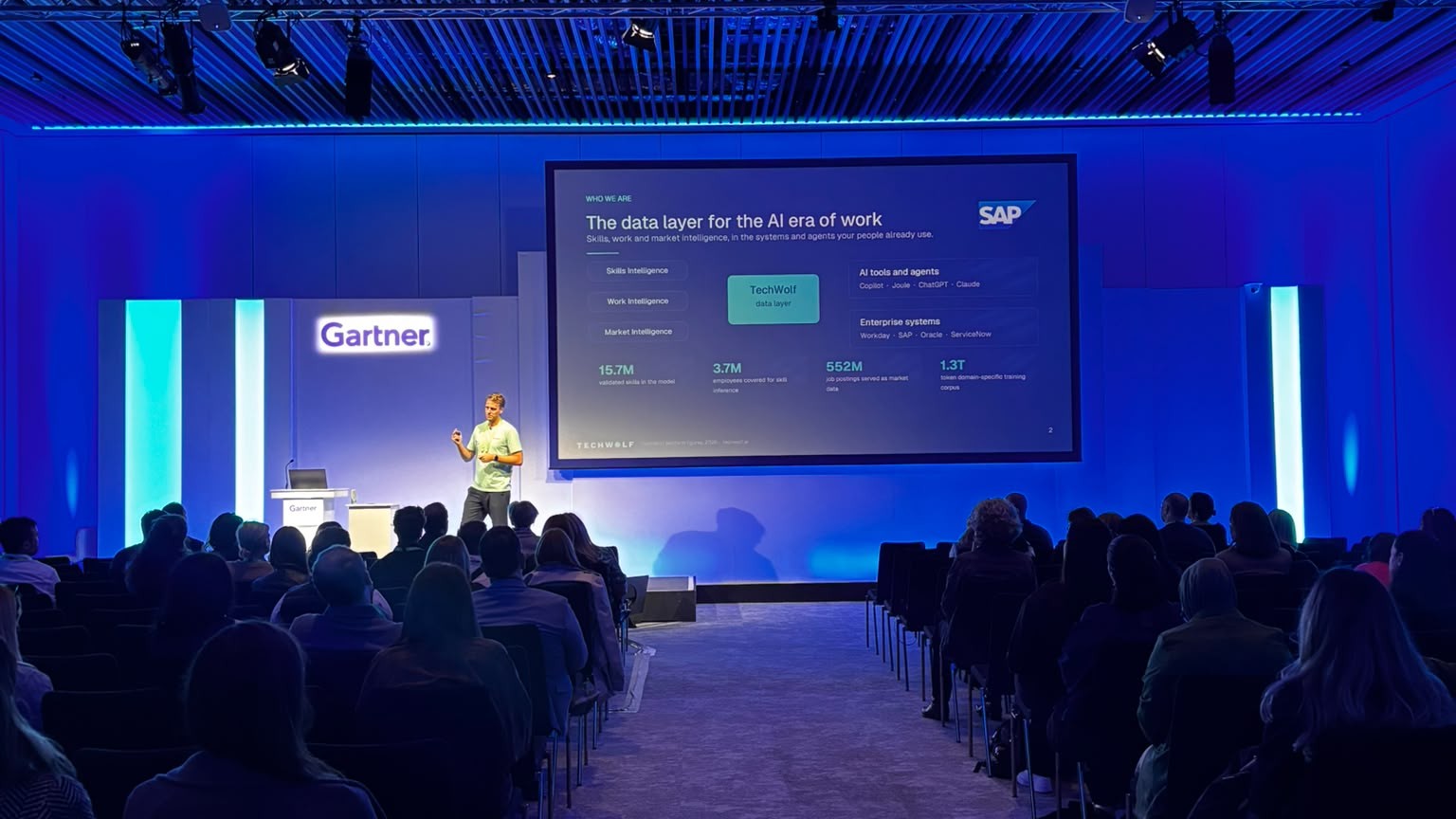
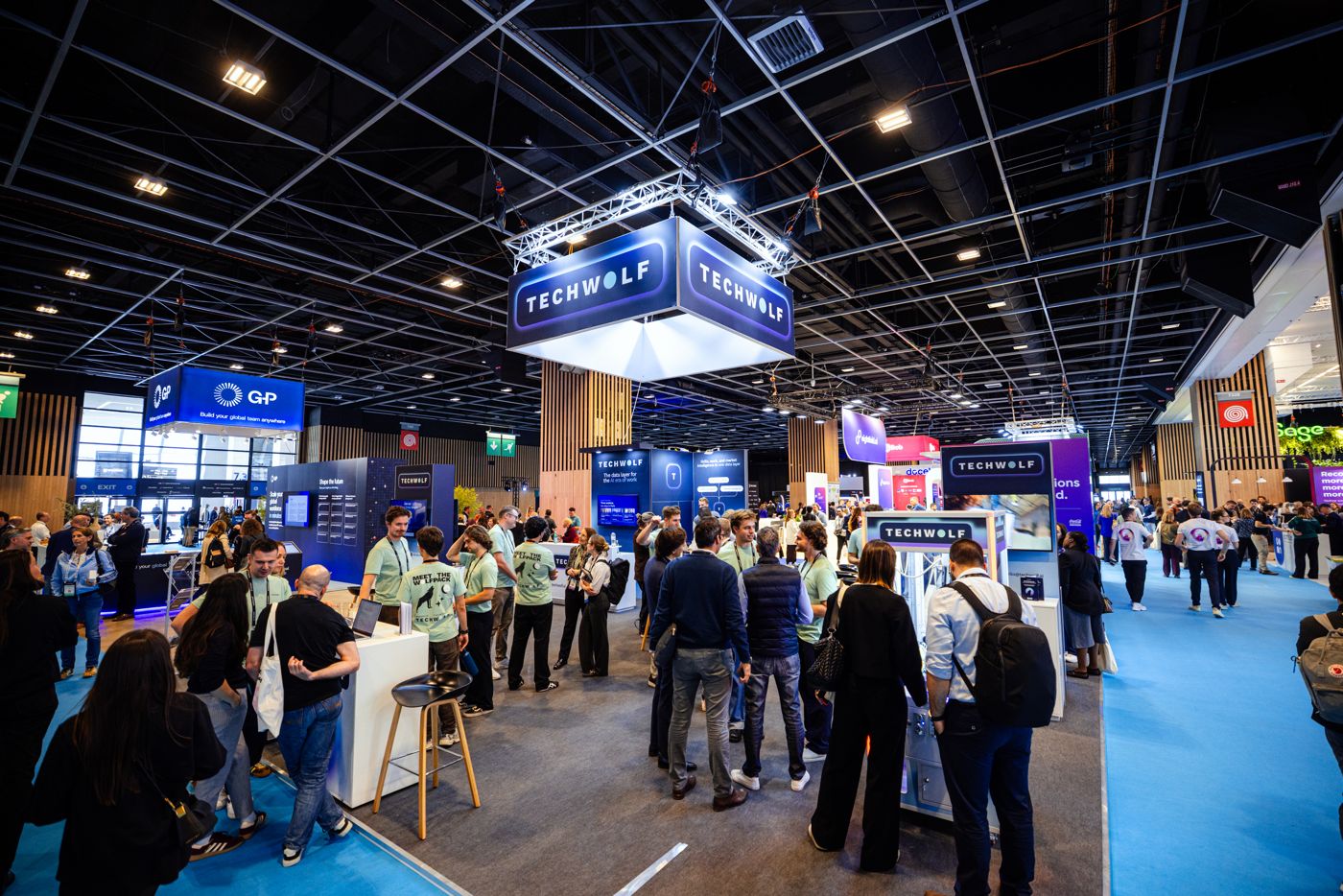
This October we did the Gartner HR Symposium/Xpo™ twice: London first, Orlando three weeks later. Two cities, one conversation. Nobody is asking whether AI will change work anymore. They want to know what to do with the time it frees up, and how to decide with data instead of gut feel. Here's what stayed with us.
1. Time saved is not the prize
Most organizations are freeing up hours with AI. Very little of that time turns into more valuable work. It disappears into email and meetings.
The ones getting real value decide two things upfront: where AI should go (start from the business's biggest bets, not from what's easy to automate), and what happens to the hours it frees. Then they redesign roles around it. A service delivery lead and an architect become one forward deployed engineer. Legal discovery and litigation support become one legal engineer. Our new AI ROI whitepaper shows how to turn that time into money.
2. You can't shrink your way to growth
Both rooms were skeptical of the layoff-first playbook. Cuts look fast on paper, but the hidden costs come later: disengaged teams, lost knowledge, and roles quietly rehired at a premium. Plenty of "AI layoffs" are plain cost cutting with a new label. The better order: understand the work, redesign it, redeploy people, then decide what's left.
3. The industry is bracing for the wrong AI event
In London, our VP Professional Services & Customer Success, Cedric Vandamme, took the stage to reframe the AI question everyone keeps asking.
“Everyone asks how many jobs AI will cut. The question that actually matters is quieter, and it goes task by task: what can AI truly absorb, what does it just speed up, and what should stay human?”
Cedric Vandamme, VP Professional Services & Customer Success, TechWolf

The TechWolf Workforce Intelligence Index scored 20,127 roles across 1,496 enterprises, task by task. AI can absorb 1.4% of enterprise work and accelerate 39.2%, while 59.4% stays human. Only 1 in 20 roles has at least half its work within AI's reach. So the real story is acceleration, which is why planning from tasks beats planning from headcount.
One customer found that half its roles needed a redesign, and those roles held two in three employees. Nobody got cut. They started with their largest role.

4. AI has a cost line too
Redesign stories usually sell on capacity. But the AI doing that work isn't free: tokens, data readiness and specialist skills all add up, and at scale they can eat the gain. Leaders are starting to treat AI spend and workforce cost as one budget. Workforce planning becomes a choice between build, buy, borrow or bot, with the cost of AI counted alongside the cost of people.
5. Skills strategies are getting sharper
The 40,000-skill library is on its way out. Leaders now pick the few skills that drive most of the value in each critical role, protect those, and let the rest go on purpose. Hire for the ability to learn, and look inside before you look outside. All of it needs skills data that stays current without a taxonomy project.
6. Agents expose what's broken
Agents don't fix messy data. They expose it. And with agents increasingly priced per action, messy data now comes with a direct cost. Ownership came up just as often: when an agent gets it wrong, who answers for it? The teams ahead give agents clear owners and audit trails, and feed them trusted context on work and the workforce. That's the layer we're building.
7. HR has to move at the speed of the business
HR is asked to lead an AI transformation it hasn't finished at home. The fix: build mixed tech and people teams inside the business, give managers their time back by automating the admin, and co-lead with the CIO instead of supporting from the side.
Orlando: SAP on stage, and our own session

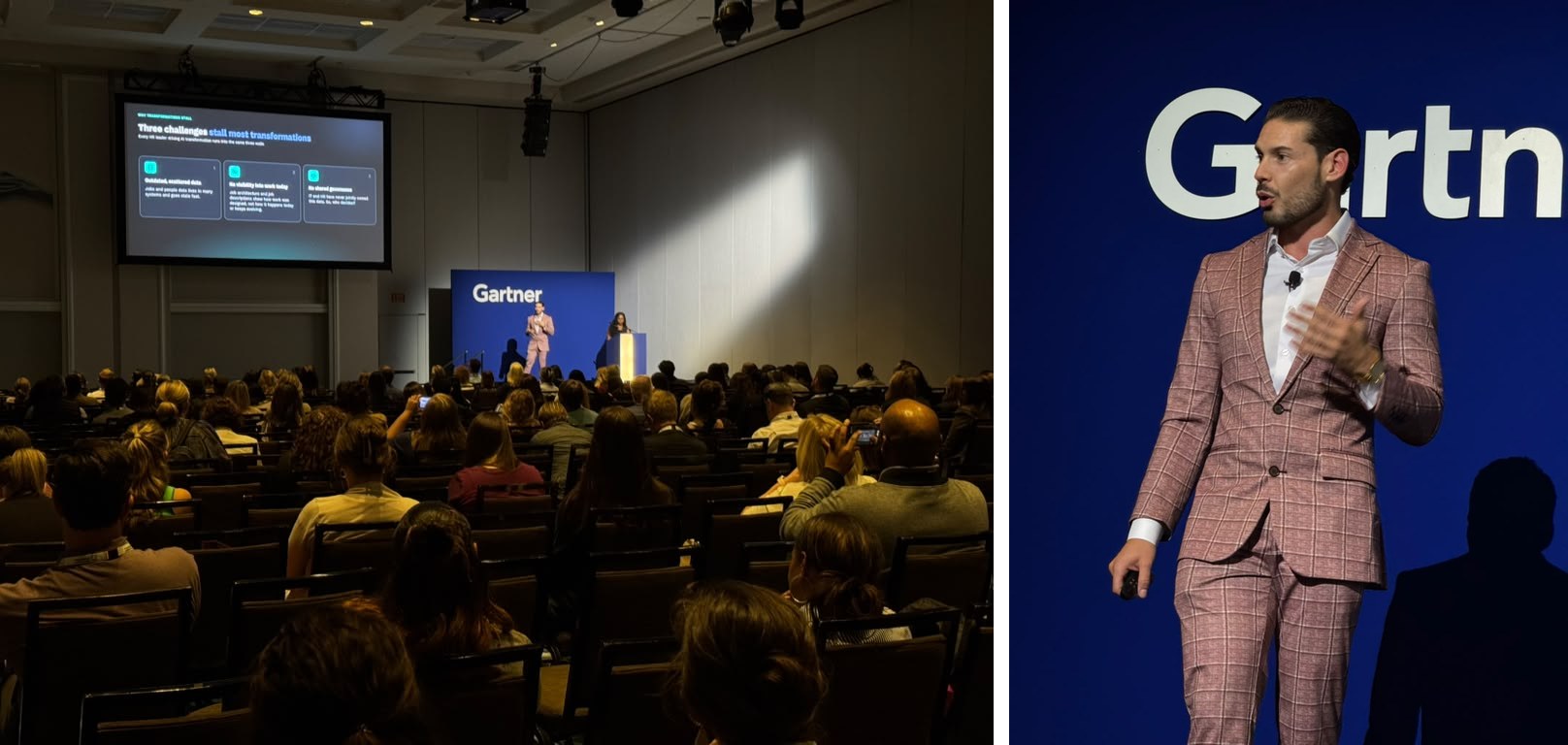
In Orlando, Siva Sundaresan, General Manager and Chief Product Officer at SAP SuccessFactors, shared the news of SAP's intended acquisition of TechWolf on the main stage.

Our Head of Partnerships, Daniel Torrens, and Solutions Consultant Olivia Morgan then presented "The Journey to an AI-Ready Workforce: Bringing Workforce Strategy, Data and Technology Together" to a full room.
“An AI-ready workforce doesn't start with a new tool. It starts with skills and work data flowing into the systems HR teams already use every day. That's why our integration with SAP SuccessFactors matters: the data shows up where workforce decisions are made.”
Daniel Torrens, Head of Partnerships, TechWolf
See you at the next one
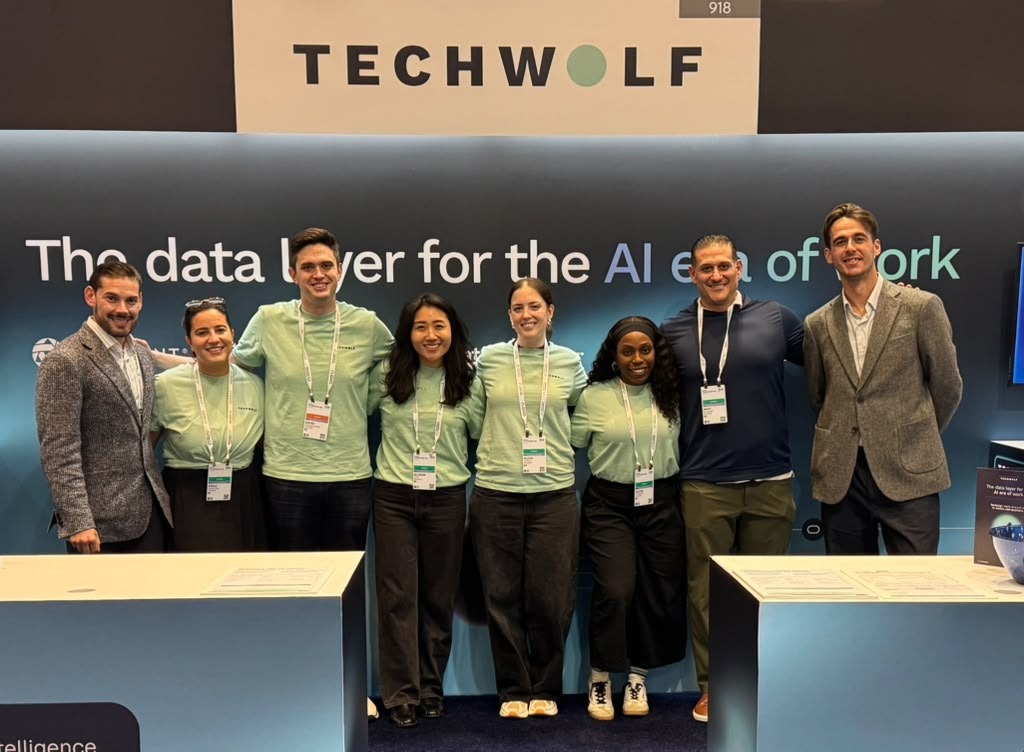
A huge thank you to everyone who stopped by our booths in London and Orlando, whether you came for a demo, a debate about skills taxonomies, or a carabiner. If one thing connects both cities, it's this: the organizations that win with AI will be the ones that redesign work around people, and do it with data they can trust.
Let's keep the conversation going.
Whitepaper: You're preparing for the wrong AI event
Boards keep asking how many jobs AI will cut. Our new whitepaper uses task data from 1,496 enterprises to show where the real change sits, and five practices for redesigning roles around it.
Fall 26 Launch: Agents you can trust
Your agents are fast and smart, but they don't know your workforce. See how we bring Skills, Work and Market Intelligence into the agents and tools your teams already use, so you can redesign work and plan your workforce on data the whole organisation trusts.
Let’s get talking
We believe great conversations lead to great solutions. Let’s connect and see how we can help.
Blog
From guides to whitepapers, we’ve got everything you need to master job-to-skill profiles.
Gartner HR Symposium/Xpo™ 2026: our takeaways from London and Orlando

HR's time to lead, and the data to do it: our UNLEASH Paris 2026 takeaways

AI is saving time everywhere and money nowhere