
Dark teal gradient
Episode 37
Oct 13, 2026
 hour 31 min

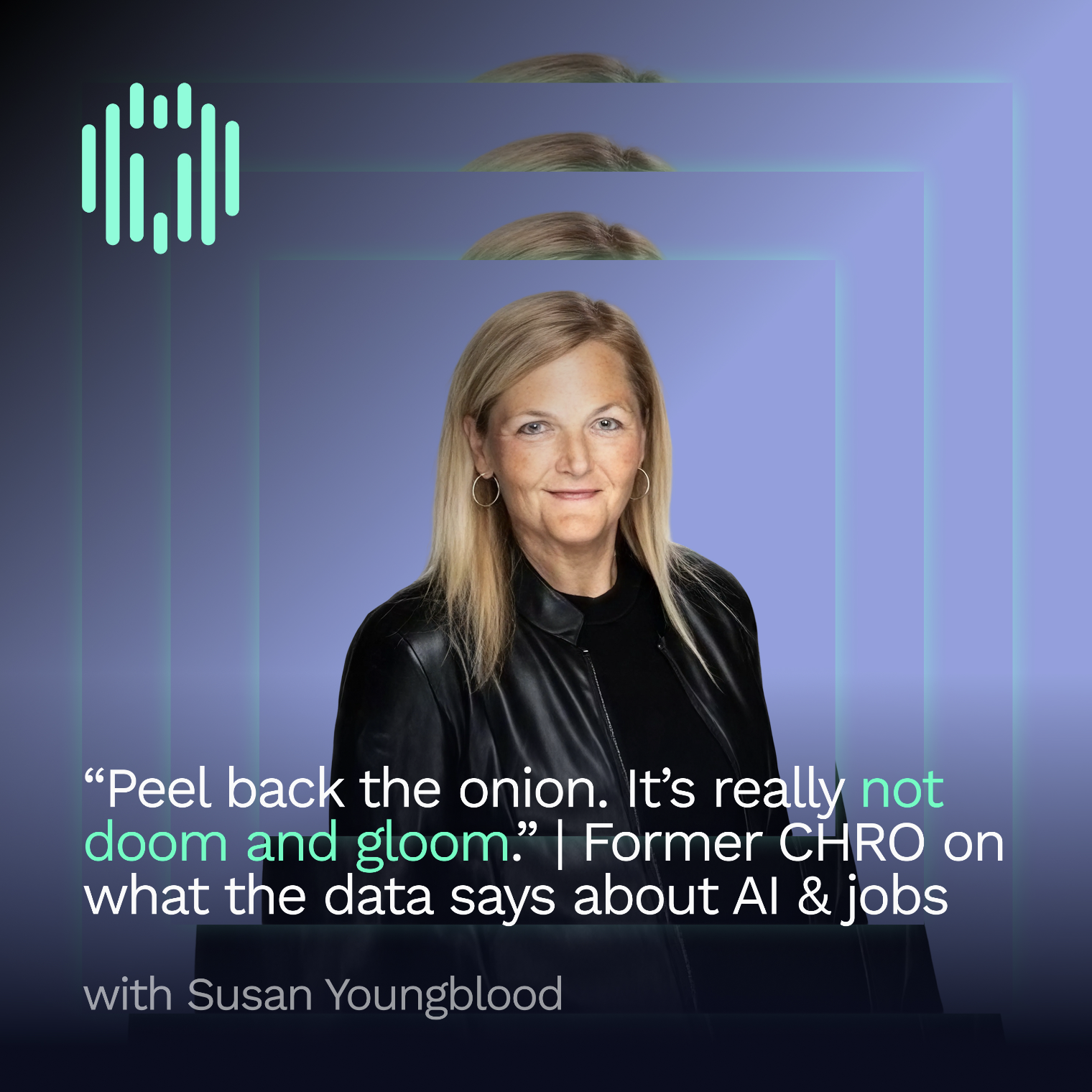
“Peel back the onion. It’s really not doom and gloom.” | Former CHRO Susan Youngblood on what the data says about AI and jobs

Episode summary

Most companies are still using AI to summarize documents and write emails. A few are rebuilding their products, services and customer experience around it, and those are the ones that will see real returns. Susan Youngblood has watched both groups up close, first in chief people officer and HR executive roles at IBM, BNY Mellon and London Stock Exchange Group, and now as an advisor across the roughly 400 companies in the Bessemer Venture Partners portfolio.

Recorded in New York in June, the conversation starts with what the labor data says about entry-level hiring (it held up) and why many “AI layoffs” were nothing of the sort. Then it turns to the quieter risk: companies getting their first big AI bills and rationing access to control token costs, which can leave a group of employees whose skills stop growing. Susan closes with what CHROs should do now, before the CFO asks whether a person or an agent is cheaper.

Listen here

In this episode

  • 03:10; How progressive companies redesign entry-level roles for AI-fluent hires
  • 04:32; The hiring data the media keeps getting wrong
  • 05:56; What separates companies pulling ahead on AI from those stuck in pilots
  • 07:51; Two questions that expose fake AI adoption
  • 09:31; The token bill arrives: who keeps AI access, and who loses it
  • 13:10; Every agent needs a named human owner
  • 15:22; What rolling out AI to 9,000 people taught her about HR’s real job
  • 19:17; When the CFO asks if a human is cheaper than an agent
  • 23:30; Her prediction: token budgets in your comp package
  • 25:02; AI whitewashing and the layoffs that weren’t about AI

Key takeaways

  • Entry-level hiring has not collapsed. The labor data and the headlines tell different stories, and software engineering postings are up.
  • Companies pulling ahead treat AI as a way to change the product and the customer experience, not as a productivity tool.
  • Rising AI bills come from agents consuming more compute, not from token prices going up.
  • Gating AI access to cut costs risks splitting the workforce into people whose AI skills grow and people whose skills stall.
  • Every agent needs a named human owner, ideally the person who knows that process best.
  • Many layoffs blamed on AI were about overhiring or mismanagement. Read what the CEO said, not the headline.

Actionable insights

  1. Run the two-question test. Ask teams what they use AI for, then ask which business metric has changed because of it. If they can’t answer the second, they are still writing emails and summarizing documents.
  2. Redesign entry-level roles before you hire into them. Assume new hires arrive with AI fluency, give them higher-level work, and curate experiences such as team projects and hard problems so they don’t miss the rungs that used to build judgment.
  3. Know your total employee cost now, including the token spend each person absorbs, so you can answer the CFO’s human-versus-agent question with data instead of instinct.
  4. Ask to be in the room. If the CEO, CFO and CTO are discussing AI without HR, ask to join. Every workflow change they plan has a downstream people effect you need a head start on.

About the guest

Susan Youngblood has held chief people officer and senior HR executive roles at IBM, BNY Mellon and London Stock Exchange Group. At Refinitiv, she led the people side of an AI implementation across a 9,000-person customer service organization. Today she advises boards and C-suites on accelerating AI adoption and ROI, works across the Bessemer Venture Partners portfolio, and facilitates sessions for people analytics and total rewards leaders.

Dark teal gradient

Related episodes

Episode 37
Oct 13, 2026
 hour 31 min

“Peel back the onion. It’s really not doom and gloom.” | Former CHRO Susan Youngblood on what the data says about AI and jobs

“Peel back the onion. It’s really not doom and gloom.” | Former CHRO Susan Youngblood on what the data says about AI and jobs
Episode 35
Aug 27, 2026
 hour 36 min

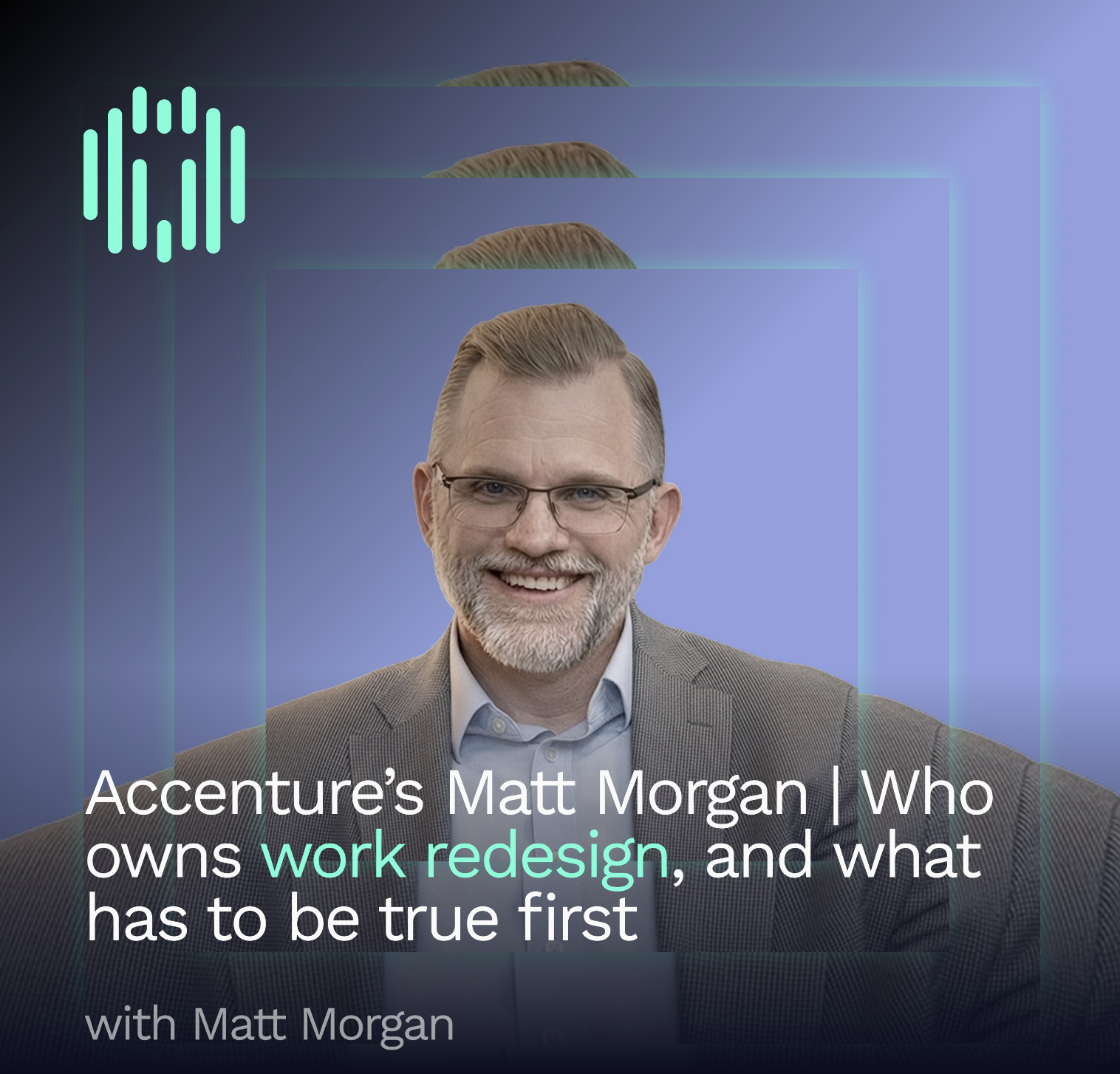
Who owns work redesign, and what has to be true first | Accenture's Matt Morgan on skills technology, ownership, and the questions nobody asks
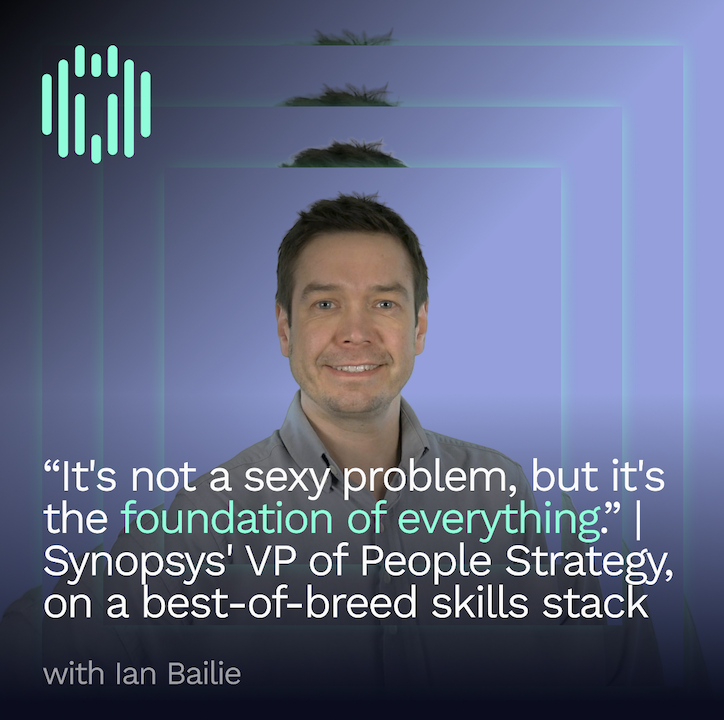
Who owns work redesign, and what has to be true first | Accenture's Matt Morgan on skills technology, ownership, and the questions nobody asks
Episode 36
Sep 24, 2026
 hour 42 min

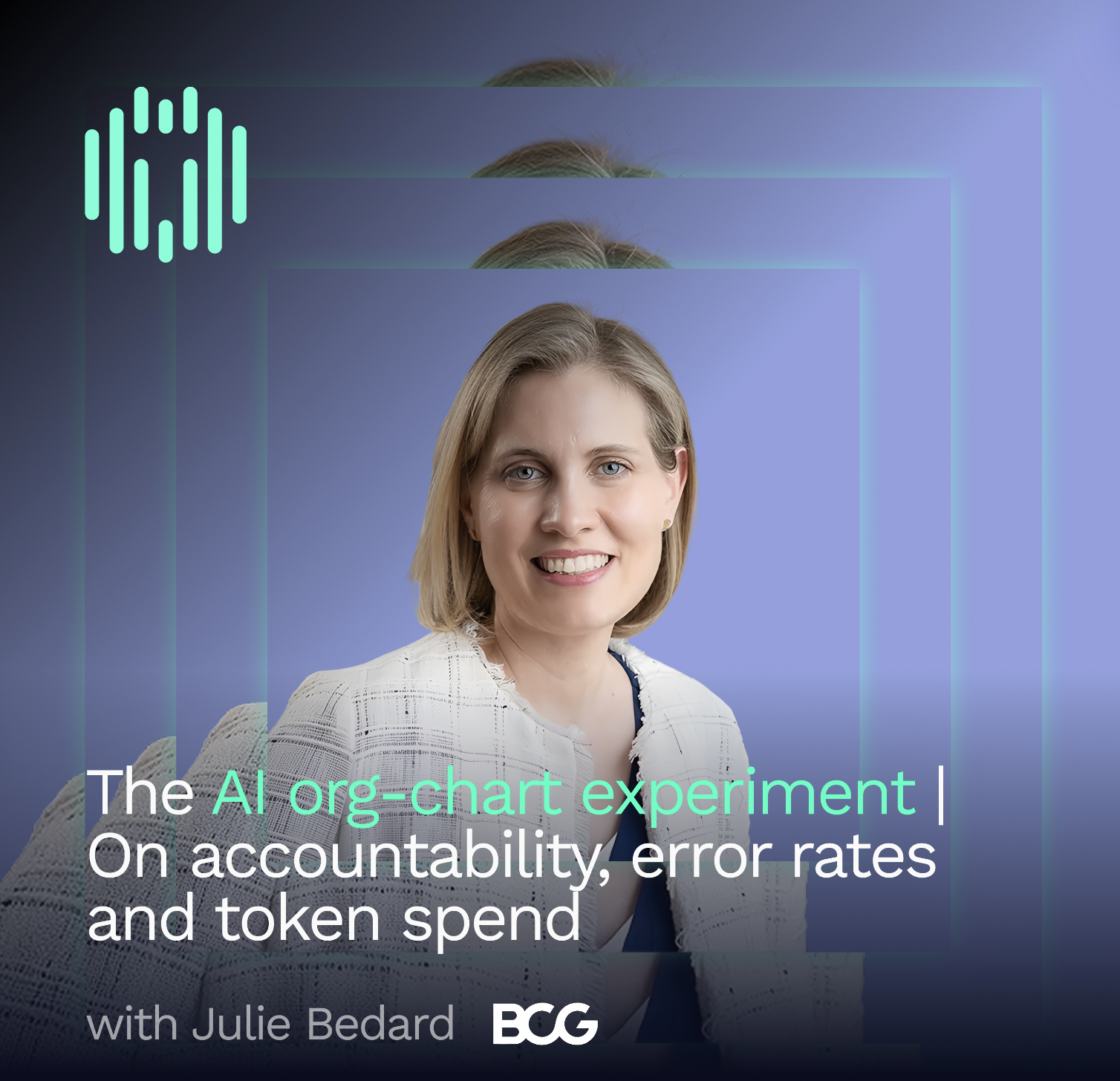
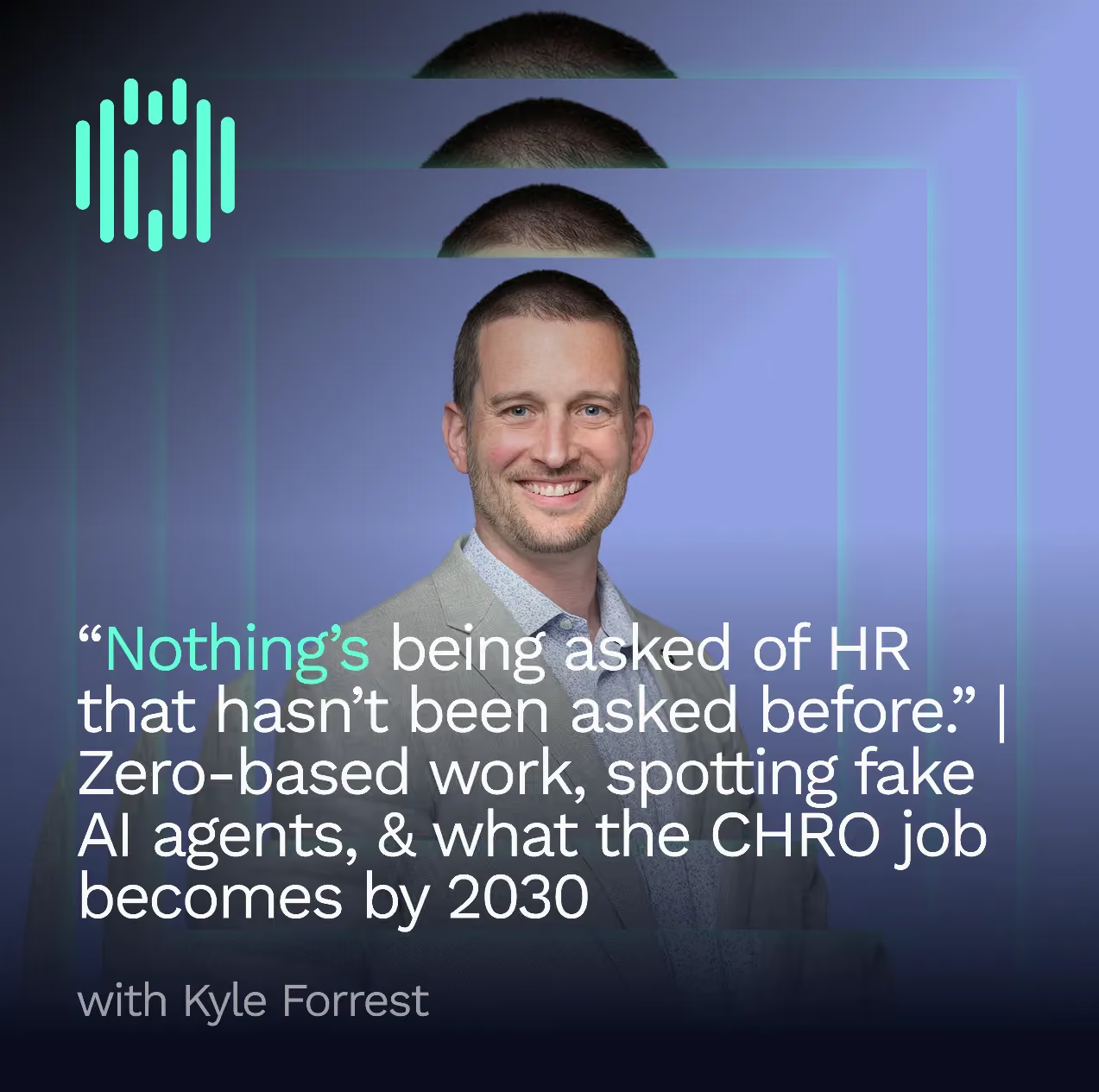
The AI org-chart experiment | BCG's Julie Bedard on accountability, error rates and token spend

The AI org-chart experiment | BCG's Julie Bedard on accountability, error rates and token spend
Episode 37
Oct 13, 2026
 hour 31 min
listen now
Subscribe to our newsletter

Subscribe now to receive new episodes straight to your mailbox.

“Peel back the onion. It’s really not doom and gloom.” | Former CHRO Susan Youngblood on what the data says about AI and jobs

Episode summary

Most companies are still using AI to summarize documents and write emails. A few are rebuilding their products, services and customer experience around it, and those are the ones that will see real returns. Susan Youngblood has watched both groups up close, first in chief people officer and HR executive roles at IBM, BNY Mellon and London Stock Exchange Group, and now as an advisor across the roughly 400 companies in the Bessemer Venture Partners portfolio.

Recorded in New York in June, the conversation starts with what the labor data says about entry-level hiring (it held up) and why many “AI layoffs” were nothing of the sort. Then it turns to the quieter risk: companies getting their first big AI bills and rationing access to control token costs, which can leave a group of employees whose skills stop growing. Susan closes with what CHROs should do now, before the CFO asks whether a person or an agent is cheaper.
Listen here

In this episode

  • 03:10; How progressive companies redesign entry-level roles for AI-fluent hires
  • 04:32; The hiring data the media keeps getting wrong
  • 05:56; What separates companies pulling ahead on AI from those stuck in pilots
  • 07:51; Two questions that expose fake AI adoption
  • 09:31; The token bill arrives: who keeps AI access, and who loses it
  • 13:10; Every agent needs a named human owner
  • 15:22; What rolling out AI to 9,000 people taught her about HR’s real job
  • 19:17; When the CFO asks if a human is cheaper than an agent
  • 23:30; Her prediction: token budgets in your comp package
  • 25:02; AI whitewashing and the layoffs that weren’t about AI

Key takeaways

  • Entry-level hiring has not collapsed. The labor data and the headlines tell different stories, and software engineering postings are up.
  • Companies pulling ahead treat AI as a way to change the product and the customer experience, not as a productivity tool.
  • Rising AI bills come from agents consuming more compute, not from token prices going up.
  • Gating AI access to cut costs risks splitting the workforce into people whose AI skills grow and people whose skills stall.
  • Every agent needs a named human owner, ideally the person who knows that process best.
  • Many layoffs blamed on AI were about overhiring or mismanagement. Read what the CEO said, not the headline.

Actionable insights

  1. Run the two-question test. Ask teams what they use AI for, then ask which business metric has changed because of it. If they can’t answer the second, they are still writing emails and summarizing documents.
  2. Redesign entry-level roles before you hire into them. Assume new hires arrive with AI fluency, give them higher-level work, and curate experiences such as team projects and hard problems so they don’t miss the rungs that used to build judgment.
  3. Know your total employee cost now, including the token spend each person absorbs, so you can answer the CFO’s human-versus-agent question with data instead of instinct.
  4. Ask to be in the room. If the CEO, CFO and CTO are discussing AI without HR, ask to join. Every workflow change they plan has a downstream people effect you need a head start on.

About the guest

Susan Youngblood has held chief people officer and senior HR executive roles at IBM, BNY Mellon and London Stock Exchange Group. At Refinitiv, she led the people side of an AI implementation across a 9,000-person customer service organization. Today she advises boards and C-suites on accelerating AI adoption and ROI, works across the Bessemer Venture Partners portfolio, and facilitates sessions for people analytics and total rewards leaders.

No items found.