

SAP Special | “Nearly every talent intelligence hub project stops at step one.” | SAP and Grainger on why job architecture stalls skills-based HR


Episode summary
Nearly every talent intelligence project stalls before it starts, because nobody in the room can agree on a job architecture. In this special episode recorded live on the SAP Connect floor, Nydia Serna (VP, People Products and Solutions at Grainger) and Erin Adams (Program Lead, Autonomous HCM at SAP) explain why static job profiles and headcount-only planning leave HR guessing. Nydia shares how Grainger is redesigning HR’s own way of working, and why she would rather start small and deploy fast. With Daniel Torrens, Head of Partnerships at TechWolf.
In this episode
- 01:54; Everyone talks about skills. Few know how to deploy them
- 02:55; Why nearly every talent intelligence hub project stalls at step one
- 04:20; Why an outside consultant can’t map the work your people actually do
- 04:47; How Grainger is redesigning HR’s own operating model
- 06:53; “Build it, and they will come”: where HR tech leaders should start
- 08:06; Why headcount-based workforce planning breaks within a year
- 08:38; Finding the people ready for tasks that don’t exist yet
- 10:08; From workforce planning to skills planning
Key takeaways
- Job architecture is the first blocker. Talent intelligence hub projects stall when stakeholders with different priorities can’t agree on one, and without it the rest of the SuccessFactors suite can’t do its job.
- Job descriptions lag the work. They are often written for recruiting or comp banding years ago, and don’t reflect what people in those roles do today.
- Evidence beats opinion. Instead of relying on workshops or external consultants, task and skills data from the systems where work happens shows what employees actually do.
- HR has to redesign itself too. Grainger is rethinking how its talent team works with the business, not only automating skills work.
- Headcount and budget alone can’t plan for change. The skills you need six to twelve months from now don’t show up in a headcount number.
- The people who already stretch are your redeployment pool. Employees who take on new tasks and pick up new skills are the ones ready for work that doesn’t exist yet.
Actionable insights
- Start small, deploy fast. Pick one strong use case that brings people, process and technology together, prove the value, and let it pull in the rest of the organization.
- Build job architecture from work data. Ground job profiles in what employees do day to day, and design them to evolve instead of being rebuilt every few years.
- Plan for skills, not just headcount. Track where skills are moving inside the organization so you know who can pick up tomorrow’s tasks.
- Don’t skip change management. Trying to tackle everything at once is where roadblocks appear; a focused rollout leaves room to bring people along.
About the guests
Nydia Serna is VP, People Products and Solutions at Grainger. She has spent her whole career in HR technology, working with SAP products across several companies, and calls herself an SAP brand ambassador.
Erin Adams is Program Lead, Autonomous HCM at SAP, where she runs product advisory programs for SAP SuccessFactors customers on autonomous HCM and AI agents. She has a long background in workforce planning.
The conversation is led by Daniel Torrens, Head of Partnerships at TechWolf and a former SAP SuccessFactors employee.
Related episodes
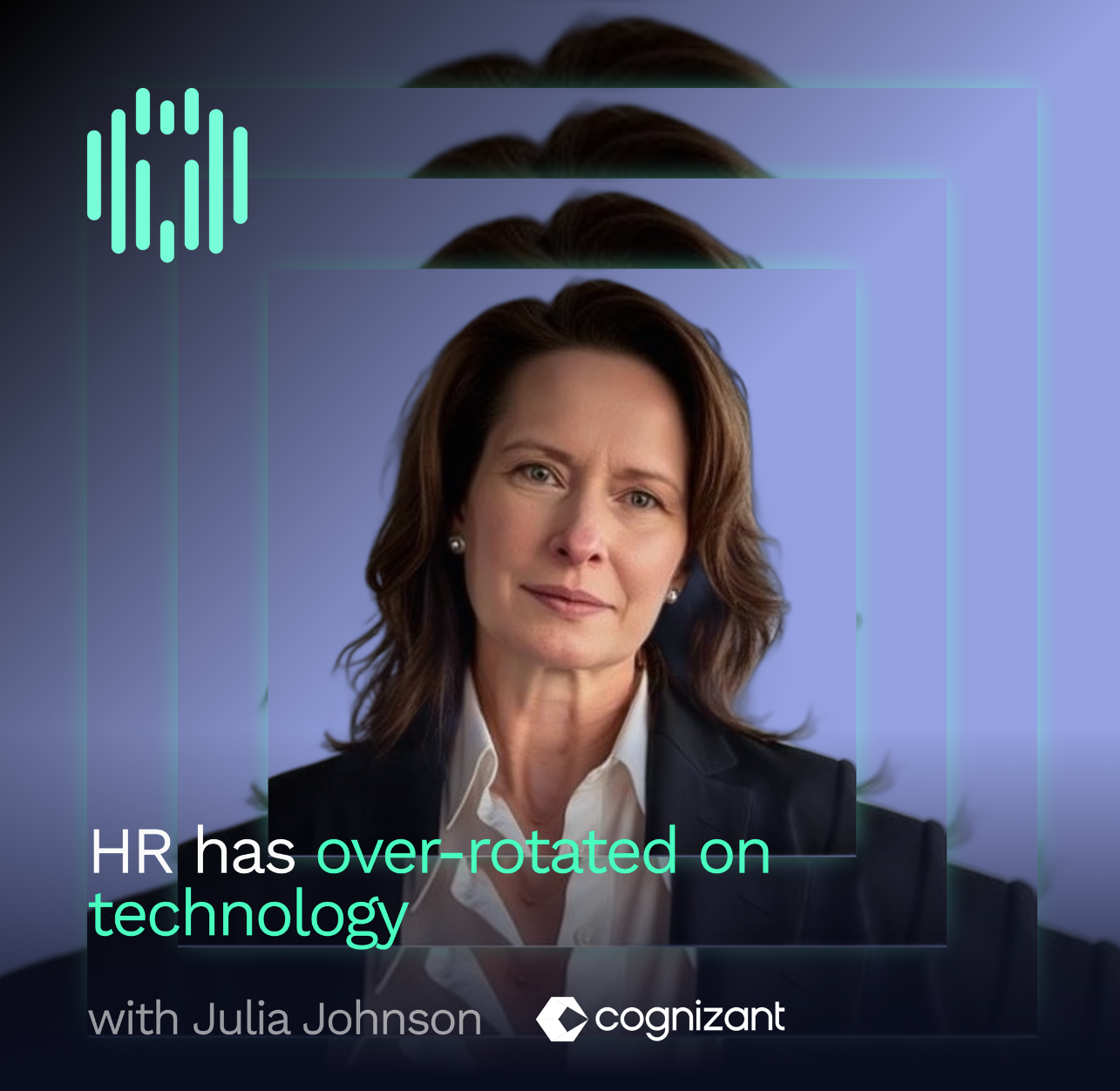
“HR has over-rotated on technology.” | Julia Johnson, SVP Global Talent Management at Cognizant, on why the employee experience decides AI adoption
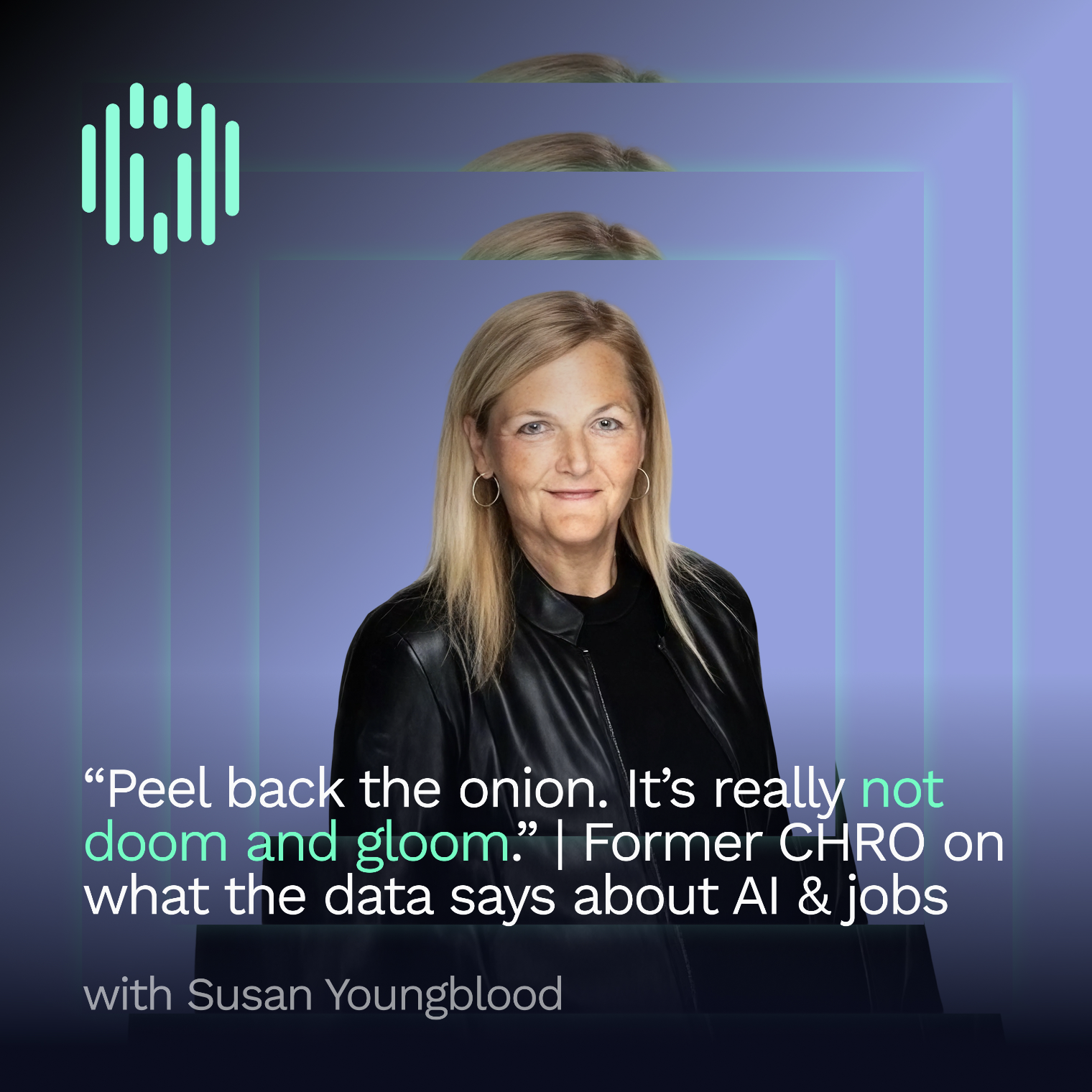
“Peel back the onion. It’s really not doom and gloom.” | Former CHRO Susan Youngblood on what the data says about AI and jobs